Source alu foil cake board for Bakery Display, Shipping, and Storage
Find 30 listings for alu foil cake board options in various sizes and shapes. Compare specifications for round, square, and custom designs suitable for food packaging and baking applications.
Key considerations
Products List




Comprehensive Sourcing Guide
Aluminum Foil Cake Board Sourcing Guide
The aluminum foil cake board serves as a critical structural component in the bakery and catering sectors, providing a stable, moisture-resistant base for cakes of varying sizes and shapes. Sourcing these items requires a clear understanding of the material composition, which often involves metallized paper or aluminum foil laminates designed to withstand the weight of confectionery while maintaining an aesthetic finish. Buyers must distinguish between products marketed as disposable trays and those intended as rigid structural boards, as the intended use dictates the necessary thickness and rigidity specifications.
Procurement decisions should be driven by the specific customization needs of the end-user, as the market offers a wide array of shapes including round, square, rectangle, triangle, heart, and oval configurations. The ability to customize dimensions, ranging from 4 inches up to 30 inches, allows buyers to align inventory with specific cake tiers or event requirements. Furthermore, the availability of custom logos and branding options makes these boards a viable marketing tool for bakeries seeking to enhance their brand identity through packaging, necessitating a supplier capable of handling embossing and custom printing processes.
Product Scope and Observed Listing Signals
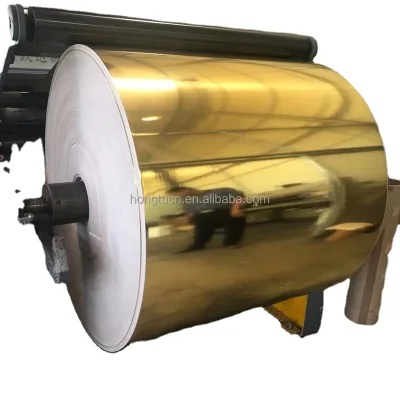
When evaluating product listings, buyers should observe a significant variance in material descriptions, with some items explicitly identified as aluminum foil containers or metallized paper trays, while others are categorized broadly as cake tools or pulp-molded trays. The observed product attributes indicate that materials can range from simple paper to PET plastic types, suggesting that the term "aluminum foil cake board" may encompass a spectrum of laminated or coated products rather than a single uniform material. This diversity requires careful scrutiny of the "Key" attributes and material fields to ensure the selected product matches the functional requirement for grease resistance and structural integrity.
Listing signals also reveal a broad spectrum of packaging and logistical parameters, with single package sizes often standardized at 30x30x30 cm and gross weights around 1.000 kg per unit. The observed selling units are frequently listed as single items, yet the MOQ ranges observed in the market span from 1 to 1,000,000, indicating that suppliers cater to both small boutique bakeries and large-scale industrial distributors. Buyers must verify whether the "Carton" packing method mentioned in the specifications is sufficient for their shipping needs or if additional protective packaging is required to prevent damage during transit, especially given the potential for the boards to be flexible or prone to bending if the thickness is on the lower end of the observed range.
Technical Specifications to Verify
Thickness is a primary technical variable that directly impacts the load-bearing capacity and rigidity of the cake board, with observed specifications ranging from 1 mm to 15 mm and even up to 13 mm in specific listings. Buyers must verify the exact thickness required for their specific cake tiers, as a 2 mm board may suffice for light cupcakes but would fail under the weight of a multi-layer wedding cake. The presence of "Custom Thickness" as a standard option suggests that suppliers can tailor the product to specific load requirements, but this necessitates a clear definition of the minimum thickness needed to prevent sagging or collapse during transport and display.
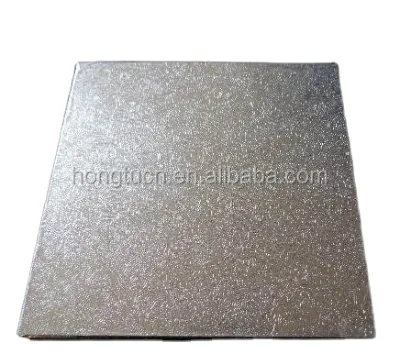
Shape and dimensional accuracy are equally critical, with observed sizes spanning from 4 inches to 30 inches and standard increments of 2, 3, 5, 12, and 13 mm for thickness. The market offers shapes including round, square, rectangle, triangle, heart, and oval, but buyers must confirm that the supplier can maintain precise tolerances for custom orders, particularly for non-standard shapes like hearts or triangles where structural integrity might be compromised at the corners. Additionally, the surface state, described as "Single Light Aluminum Foil" or "Metallized Paper," should be verified to ensure it provides the necessary barrier properties against moisture and grease, which are essential for food safety and presentation quality.
Compliance and Safety Documentation
Food safety compliance is paramount when sourcing aluminum foil cake boards, as these items are in direct contact with edible products. Buyers must request documentation confirming that the materials, including any adhesives or coatings used in the metallization process, meet relevant food-grade standards for the target market. While the observed attributes list "Food" and "Kitchen Use" as applications, this does not automatically imply compliance with specific international regulations such as FDA or EU food contact regulations; therefore, explicit certification or a statement of compliance from the supplier is required before placing an order.
The manufacturing process, identified in some listings as "Pulp Moulding," introduces specific environmental and safety considerations that must be addressed in the procurement agreement. Buyers should verify that the production facilities adhere to hygiene standards that prevent contamination from non-food-grade materials or chemicals. Furthermore, if the product is marketed as "Disposable," the supplier should provide evidence regarding the biodegradability or recyclability of the materials, particularly if the buyer operates under sustainability mandates or needs to comply with local waste disposal regulations regarding single-use packaging materials.
Cost Drivers and Commercial Terms
The cost of aluminum foil cake boards is heavily influenced by the complexity of customization, including the choice of shape, size, and surface finish such as embossing or custom logo printing. Listings indicate that "Custom Order" is accepted, which typically incurs higher unit costs due to the setup fees for molds and the additional labor required for specialized printing or cutting processes. Buyers should anticipate that larger sizes, such as those approaching the 30-inch maximum observed, or custom thicknesses outside the standard 2-15 mm range, will carry a premium compared to standard 4-12 inch options.
Commercial terms regarding Minimum Order Quantity (MOQ) and lead times are significant factors in the total cost of ownership, with observed MOQs ranging from 1 to 1,000,000 units. This wide range suggests that suppliers may offer flexible terms for trial orders but expect larger commitments for custom runs to amortize setup costs. Buyers must clarify whether the quoted price includes the "Carton" packaging and if there are additional charges for custom branding or specific thickness requirements. Understanding the relationship between volume and unit price is essential, as the ability to negotiate better rates often depends on the buyer's willingness to commit to higher volumes or longer lead times for production.
Supplier Qualification and Quality Control
Supplier qualification should begin with a verification of their production capabilities, specifically their ability to handle the diverse range of shapes and sizes observed in the market, from 4 inches to 30 inches. Buyers should assess whether the supplier has the necessary machinery to produce custom thicknesses and shapes like hearts or triangles without compromising the structural integrity of the board. The presence of "OEM" branding and "Custom Logo" capabilities indicates that the supplier likely has experience with private label manufacturing, but buyers must confirm their capacity to maintain consistent quality across large batches of custom orders.
Quality control protocols must be established to ensure that the final product meets the specified thickness, shape, and surface finish requirements. Given the variability in observed specifications, such as thickness ranging from 1 mm to 15 mm, buyers should implement a sampling plan that tests for rigidity, moisture resistance, and dimensional accuracy. It is also crucial to verify the supplier's process for handling defects, particularly regarding the "Single Light Aluminum Foil" surface, which may be prone to tearing or peeling if the bonding process is not executed correctly. Regular audits or third-party inspections may be necessary to ensure that the supplier consistently adheres to the agreed-upon quality standards.
Long-Term Procurement Checks
Establishing a long-term procurement relationship requires regular performance reviews to ensure that the supplier can consistently meet demand fluctuations and maintain product quality over time. Buyers should monitor the supplier's ability to deliver on time, especially when custom orders involve complex shapes or specific thicknesses that may require additional production time. The observed lead times and capacity variations suggest that suppliers may face bottlenecks during peak seasons, so it is advisable to build buffer stock or negotiate flexible delivery schedules to mitigate the risk of supply chain disruptions.
Continuous improvement should be a key component of the long-term strategy, with buyers actively seeking feedback from end-users regarding the performance of the cake boards in real-world scenarios. This feedback loop can help identify areas for improvement, such as enhancing the waterproofing features or adjusting the thickness for better load-bearing capacity. Additionally, buyers should stay informed about changes in material standards and sustainability regulations that may affect the sourcing of aluminum foil and metallized paper products, ensuring that the procurement strategy remains compliant and competitive in the evolving market landscape.
FAQs
What sizes are available for aluminum foil cake boards?
Standard sizes include 4, 6, 8, 10, and 12 inches. Custom sizes ranging from 4 to 30 inches are also available to meet specific baking requirements. These dimensions accommodate various cake types, ensuring a proper fit for presentation and transport while maintaining structural integrity for food service applications.
Can aluminum foil cake boards be customized with logos?
Yes, customization is available for branding purposes. Buyers can request custom logos and specific shapes such as round, square, or heart designs. This service allows businesses to enhance their brand visibility on packaging, making the product suitable for retail gifting or professional bakery presentations with tailored aesthetic options.
What material is used for these cake boards?
The boards are primarily made from paper and metallized paper, often featuring aluminum foil properties for durability and moisture resistance. Some variants utilize PET plastic types for specific applications. This combination ensures the boards are sturdy enough to support cakes while remaining lightweight and suitable for disposable food service needs.
Are these cake boards suitable for food contact?
Yes, these products are explicitly designed for food use and kitchen applications. They are manufactured to serve as safe packing materials for baked goods. The materials, including aluminum foil and paper, are selected to ensure they are appropriate for direct contact with food items, supporting hygiene standards in professional and home baking.
What is the typical packaging for aluminum foil cake boards?
The standard packaging method is by carton. Each carton typically contains multiple units, with single package sizes around 30x30x30 cm. This packaging ensures safe transport and storage, protecting the boards from damage during shipping. The carton format also facilitates efficient handling and inventory management for bulk buyers and distributors.
What thickness options are available for these boards?
Thickness options include 2, 3, 5, 12, 13, and 15 mm, with custom thicknesses also accepted. Some models may specify ranges like 1-12 mm or 1-3 mm depending on the specific product line. These variations allow buyers to select the appropriate rigidity and durability level for different cake weights and presentation styles.